ダウンロード
Yongte の CE 認定プラスチック機械(WPC 機械、ドア パネル/異形押出ライン、PVC/PPR/PE パイプ生産ライン、ゴム灌漑パイプ機械、プラスチック リサイクル機械)の無料でダウンロード可能な操作マニュアル、経験豊富な配合、技術仕様、実現可能性レポート、認証文書にアクセスできます。ガイドには安全手順、メンテナンス、トラブルシューティングが含まれており、3 年間の保証と生涯サポートが付いています。
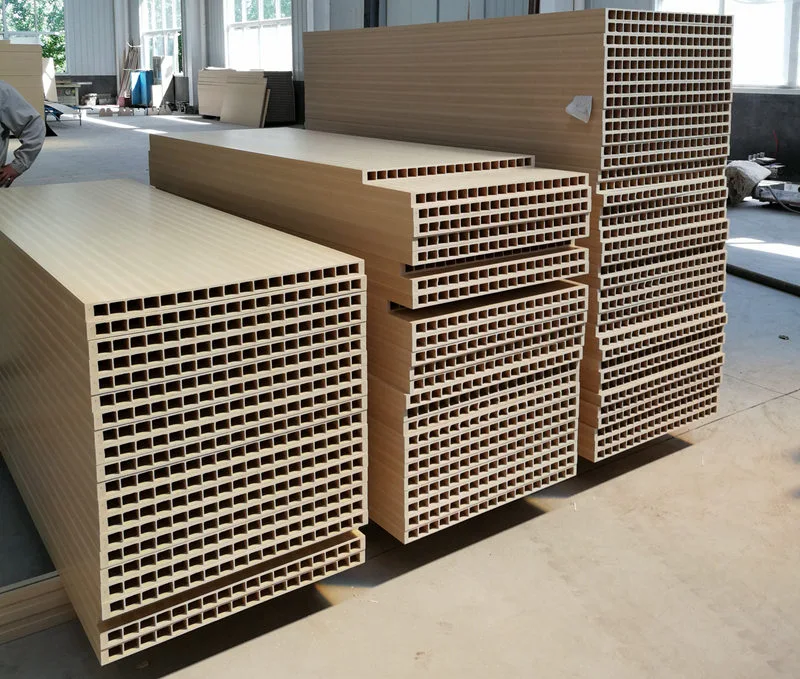
中空WPCドアパネルの製造配合
The production formulation for hollow WPC door panels involves a precise combination of wood flour, thermoplastic polymers, and various additives. The wood flour, derived from sustainably sourced wood fibers, provides the panels with their characteristic strength and texture. Thermoplastic polymers, such as polyethylene or polypropylene, act as a binding agent, ensuring the structural integrity of the panels. Additionally, the incorporation of additives like UV stabilizers, impact modifiers, and lubricants enhances the panels' durability, weather resistance, and ease of processing. This carefully balanced formulation results in hollow WPC door panels that are not only aesthetically pleasing but also highly functional and environmentally friendly.
高品質のPVC天井パネル配合
This formulation utilizes a precise blend of PVC resin, calcium carbonate, and impact modifiers to achieve a balance of rigidity and toughness. The panels exhibit excellent fire resistance, moisture proof performance, and thermal insulation properties. Surface treatments with UV stabilizers ensure long-term color stability, while lightweight construction facilitates easy installation. The product meets GB/T 8624-2012 standards and is ideal for commercial ceilings, bathroom claddings, and interior decorations.
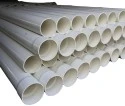
200-400mm PVC Water Pipe Production Formulation
The formulation for 200-400mm PVC water pipes is engineered to meet high-pressure performance requirements, incorporating a balanced blend of PVC resin (K value 65-70), calcium-zinc stabilizers, impact modifiers, and rigid fillers (calcium carbonate). Specialized lubricants (stearic acid + PE wax) ensure smooth extrusion, while processing aids (ACR 401) enhance melt strength for large-diameter pipe formation. This formulation delivers pipes with a minimum hoop strength of 16 MPa, excellent chemical resistance, and compliance with ISO 4422 standards, suitable for municipal water supply and industrial drainage systems.
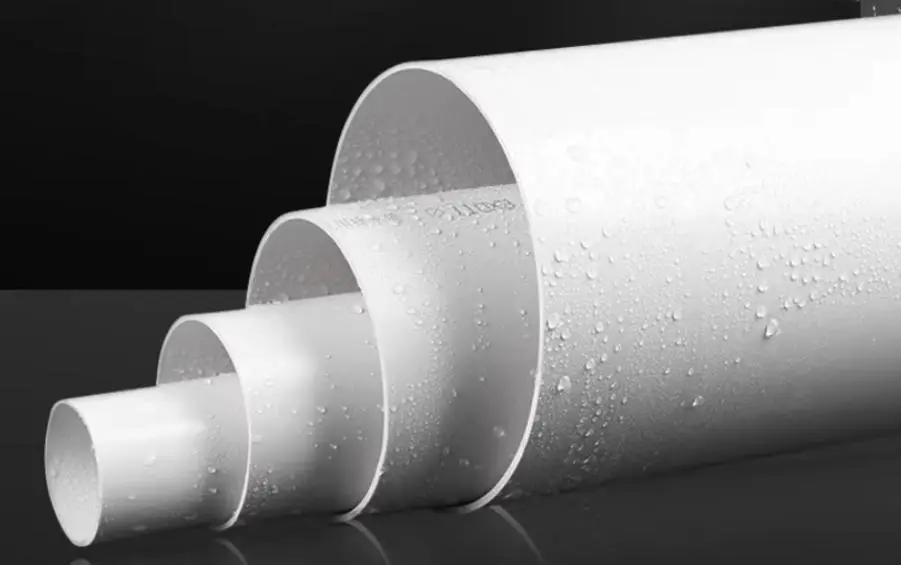
50-160mm 硬質 PVC パイプの製造配合
50 ~ 160 mm の硬質 PVC パイプを製造するための配合には、PVC 樹脂、安定剤、潤滑剤、耐衝撃性改良剤、充填剤などの原材料の正確なバランスが含まれます。各コンポーネントは、パイプの強度、耐久性、環境要因に対する耐性を確保する上で重要な役割を果たします。これらの材料の選択と割合は、給水、排水、工業用途など、パイプの意図された用途の特定の要件を満たすように慎重に調整する必要があります。さらに、最適なパイプ品質と生産効率を達成するために、配合では押出温度や押出速度などの加工条件を考慮する必要があります。
16-50mm 硬質 PVC 水道管の製造配合
この配合は、Yongte 16-50mm 水道管生産ラインでの硬質水道管の製造に使用するのに適しています。これは、高品質で低コストの PVC 水道管を製造するために設計された経験豊富な配合です。